

If you recently had white fillings in Penhold, you probably expected your tooth to feel better right away. In most cases, it does. But sometimes, mild pain or sensitivity can show up after the treatment. This discomfort is usually temporary and improves within a few days. If the pain lasts longer or starts to feel worse instead of better, it is important to understand why and decide on the next step.
Common Reasons for Pain After a Filling
Tooth sensitivity after a filling is relatively common. Your tooth has just been cleaned and repaired, and it may react for a short time.
Here are some possible reasons for discomfort.
Normal inflammation
The inner part of the tooth can become slightly irritated after decay is removed. This may cause sensitivity to cold, heat, or pressure.
High filling
If the filling is slightly higher than your natural bite, it can put extra pressure on the tooth when you chew. This may cause soreness or sharp pain.
Deep cavity
If the decay was close to the nerve, the tooth may need more time to settle. Deeper fillings can sometimes lead to lingering sensitivity.
Cracks or hidden damage
Sometimes a tooth has a small crack that was not obvious before treatment. Biting pressure after the filling may make the pain more noticeable.
Allergic or material reaction
Though rare, some people may react to certain materials used in fillings.
When a Filling Makes Tooth Pain Worse
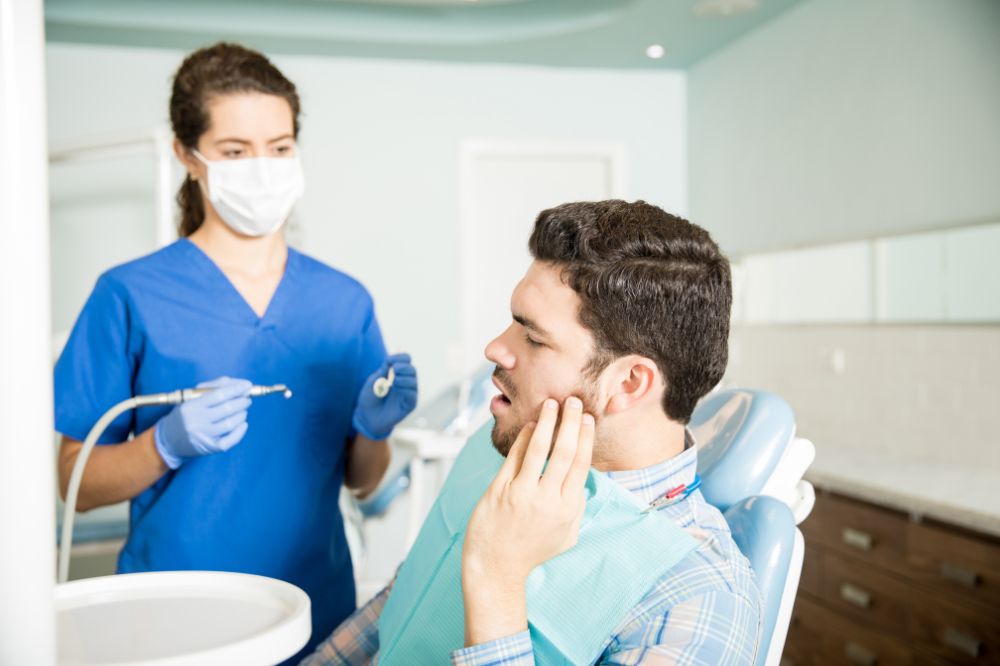
Many people search for answers when a filling makes tooth pain worse. Pain that increases instead of improves can signal a problem that needs attention.
Watch for these signs.
Pain that lasts more than two weeks
Throbbing pain that does not improve
Sharp pain when biting down
Swelling in the gum area
Pain that wakes you at night
If these symptoms occur, you should not ignore them. It may mean the tooth needs further evaluation.
What to Do if My Tooth Hurts After Filling
If you are wondering what to do if your tooth hurts after filling, start with simple steps.
Avoid chewing on that side for a few days
Stay away from very hot or very cold foods
Take over the counter pain relief if needed
Keep brushing and flossing gently If pain continues, visit a dental clinic near you for an exam. A quick bite adjustment may solve the issue if the filling is too high. In some cases, the nerve inside the tooth may be irritated beyond recovery. If that happens, further treatment such as root canal therapy may be recommended. This is not common, but it is possible when the decay is deep.
How Long Should Pain Last
Mild sensitivity usually improves within a few days. Some sensitivity to temperature may persist for up to 2 weeks. The discomfort should gradually decrease, not increase. If the pain persists or worsens, it is important to see a dentist. Early evaluation can prevent the problem from becoming more serious.
How Fillings Affect Your Bite
After a filling, your bite may feel slightly different. Even a slight change in height can create pressure when chewing. This can lead to jaw soreness or sharp tooth pain. If your teeth do not feel like they fit together properly after treatment, let your dentist know. A slight adjustment can often fix the issue quickly and relieve discomfort.
When to Call for Help
You should contact your dental team if you notice.
Ongoing sharp pain
Swelling or redness in the gum
A bad taste in your mouth
Fever
Pain that spreads to your jaw or ear
These signs may mean the tooth needs further care. Most fillings heal without complications. Staying aware of your symptoms helps you act early if something feels off.
Taking Care of Your Filled Tooth
After treatment, continue good oral hygiene.
Brush twice daily
Floss gently
Avoid very hard foods for a short time
Attend regular checkups
Proper care reduces the risk of further decay around the filling.
Find Relief and Peace of Mind
If your tooth still feels uncomfortable or you are unsure about your symptoms, we at Penhold Dental Care are here to help. Schedule a visit to get clear answers and feel confident about your oral health again.
Frequently Asked Questions
Is it common for a tooth to feel sore after a filling?
Yes, slight sensitivity or mild soreness can happen for a few days after the procedure.
How long can sensitivity continue after a filling?
It often gets better within a few days and usually should not continue beyond two weeks.
Can a filling that is too high cause jaw discomfort?
Yes, if your bite feels uneven, it can place extra pressure on the tooth and lead to jaw pain.
Does pain after a filling mean I will need a root canal?
No, post treatment discomfort is short term and does not require further treatment.