


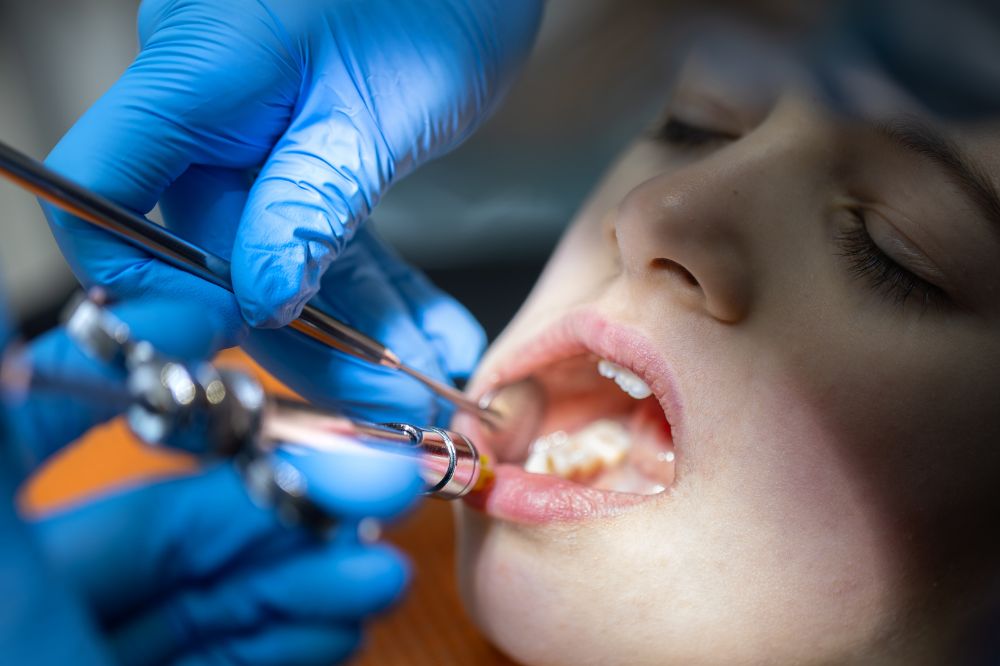
When a tooth is damaged, your dentist will always try to save it first using fillings or crowns. However, there are times when removing the tooth is the only way to protect your overall health. If you are looking for professional tooth extractions in Penhold, AB, it is important to act quickly before an infection spreads to your jaw. Recognizing the red flags early can save you from days of unnecessary pain and expensive emergency treatments later on. Knowing when a tooth has moved past the point of repair helps you make the right choice for your smile.
Recognizing the Top 10 Red Flags
Identifying the need for an extraction starts with paying attention to symptoms that do not go away with standard brushing.
Here are the ten most common signs that a tooth may need to be removed:
- Severe Pain: Intense throbbing that keeps you awake and does not respond to medicine.
- Loose Teeth: Adult teeth should never feel wiggly; if they do, the supporting bone may be gone.
- Swollen Gums: A “pimple” or abscess on the gum line often indicates a deep infection.
- Jaw Stiffness: Pain that moves into the jaw or ear can mean the tooth is affecting the bone.
- Visible Cracks: A vertical fracture below the gum line usually cannot be fixed.
- Advanced Decay: When a cavity consumes most of the tooth, there is nothing left to fix.
- Crowding: Sometimes, a healthy tooth is pulled to make room for others during braces.
- Impacted Wisdom Teeth: Teeth that cannot break through the gums often cause damage.
- Discoloration: A tooth that turns dark grey or black often means the internal nerve has died.
- Gum Disease: If periodontitis has destroyed the tissue holding the tooth, it must come out.
When Is A Cavity Too Far Gone?
Many patients wonder how a simple cavity can turn into a surgical problem and ask, what is Stage 4 tooth decay? precisely. This stage occurs when the rot has eaten through the enamel and dentin to reach the soft pulp and nerves inside the tooth. Once the infection hits this deep level, it often creates a painful abscess at the root tip. While a root canal can sometimes save the day, many teeth at this stage are too physically weak to be rebuilt, making an extraction the only way to stop the infection from spreading to your bloodstream.
Comparing Saving a Tooth vs. Extraction
Feature | Dental Crown / Root Canal | Tooth Extraction |
Main Goal | Keep the natural tooth root | Remove the source of infection |
Recovery Time | Usually 1 to 2 days | 3 to 7 days for initial healing |
Long-term Fix | May need replacement later | Requires a bridge or implant |
Pain Level | Managed with local freezing | Managed with freezing and sedation |
Cost | Can be higher initially | Lower cost for the pull itself |
Temporary Relief For Extreme Pain
If you are dealing with a sudden flare-up in the middle of the night, you might look for immediate relief and wonder, what is the 3-3-3 rule for toothache? for your safety. This common suggestion involves taking 3 tablets of 200mg ibuprofen, 3 times a day, for 3 days to manage severe inflammation. However, this should only be done after speaking with a professional at a dental clinic in Penhold to ensure it is safe for your health history. It is important to remember that this rule only masks the pain and does not fix the underlying infection that requires a dentist’s help.
Dealing With Hidden Pressure
Not all extractions are caused by decay; some are caused by the way our mouths grow. Wisdom teeth often do not have enough room to come in, causing them to push against other teeth at an angle. This pressure can cause constant headaches and move your other teeth out of place. If you find yourself searching for tooth extractions near you because of back-of-the-mouth pressure, an X-ray can show if those teeth are stuck. Removing them early usually leads to a much faster recovery and prevents future crowding.
What To Expect During The Procedure?
The thought of getting a tooth pulled can be scary, but modern dentistry makes it a very smooth process. Your dentist will use strong numbing medicine so that you feel pressure but no sharp pain during the visit.
- Numbing: The area is frozen completely to ensure you stay comfortable.
- Loosening: Special tools are used to lift the tooth from its socket gently.
- Removal: The tooth is taken out, and the area is cleaned of any infected tissue.
- Closing: Gauze is placed over the site to help a blood clot form, which is vital for healing.
Restore Your Comfort and Health
Deciding to have a tooth removed is never easy, but sometimes it is the best thing you can do for your body. By removing a source of constant pain, you are allowing your mouth to stay strong and healthy. You deserve to live without the stress of a toothache holding you back from your favorite foods or a good night’s sleep. Our team is here to make this process as gentle and simple as possible. At Penhold Dental Care, we prioritize your comfort and long-term health above everything else. Are you tired of dealing with a painful or broken tooth? Contact Penhold Dental Care today to book your exam and find out if an extraction is the right step for your smile!
Frequently Asked Questions
How long does it take to recover?
Most people feel back to normal within three to four days, but the gums take a few weeks to heal the gap fully.
Does getting a tooth pulled hurt?
You will be completely numbed, so you should only feel some pressure rather than actual pain.
What should I eat after?
Stick to soft, cool foods like smoothies, pudding, or applesauce for the first 24 hours to avoid hurting the site.
Do I need to replace the tooth?
Usually, yes; an implant or bridge prevents your other teeth from shifting and keeps your bite healthy.