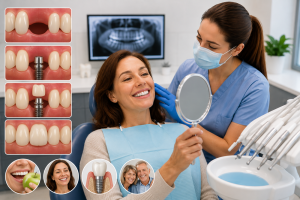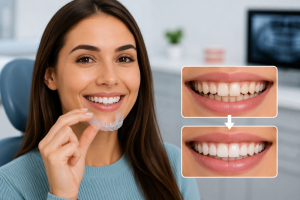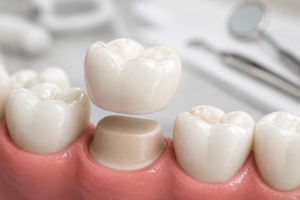


Getting a dental implant can feel like a game-changer. Teeth that have been lost are replaced, making a smile whole again.
But whether you get a top-tier or a subpar implant, poor oral hygiene won’t allow either of them to last long.
If you are looking for dental implants near you, knowing how oral care impacts the success of your implant is key to long-term smile health.
In essence, dental implants are valuable or long-term investments in your oral health. And like any investment, they need regular care.
Why Oral Hygiene Matters for Dental Implants
Dental implants are made of strong materials like titanium that connect with your jawbone. That doesn’t mean they’re immune to problems. When plaque builds up on teeth, they can become sore and swollen.
Gum disease can affect the tissues surrounding your implant, making you uncomfortable or even causing you to lose the implant altogether.
Here’s why daily care is crucial:
- Prevent Peri-Implantitis: If unchecked, an infection that develops around the implant will loosen it.
- Take Care of Your Gums: For a stable implant, healthy gums are essential.
- Keeping your mouth healthy makes sure getting cavities on neighbouring teeth will not happen. Brushing and flossing keep your entire mouth healthy.
A dentist in Penhold will inform you regarding cleaning techniques. They will also check your implants regularly to catch any problems early on.
How to Maintain Healthy Gums With Implants
Healthy gums are the foundation for implant success. Here’s how to keep them in top shape.
- Be gentle yet thorough when brushing all surfaces of your implant and surrounding teeth with a soft toothbrush
- Use dental floss or special floss for implants to remove plaque from between your teeth
- Using an antimicrobial mouthwash can help reduce bacteria and prevent swelling
- Schedule regular visits with a dentist near you to see what is your gum health and implant condition are.
- Staying away from hard/sticky foods over time can cause stress on the implant.
How Oral Hygiene Affects Implant Success
Taking good care of your mouth not only avoids problems but also helps with your implant. According to studies, implant survival rates are higher among patients with stringent oral hygiene regimens.
On the other hand, if you neglect cleaning, you will be at greater risk of infection and bone loss around the implant.
Implants are strong, but they do need the help of the gums and the oral tissues.
A Step Towards Lasting Smiles
Looking for dental implants near you? Then several dental clinics offer consultations to help you meet your needs and take care of your teeth.
The durability of your implants will depend on the care you provide every day.
To ensure that you enjoy your new smile for years, it’s best to combine professional guidance with a strong at-home routine.
Healthy Implants, Healthy Smile
Only if you take care of your dental implants can they help you restore your smile, confidence and ability to chew. Routine dental care makes all the difference in oral health.
At Penhold Dental Care, we will help our patients learn the best ways to take care of their implants to maintain strong, healthy gums. Today, you can take charge of your oral care and enjoy your implant-supported smile for years to come.
Set up an appointment with our dental experts today.
📍 Find us easily on the Google map and plan your visit today!
FAQs
How often should I visit my dentist with implants?
Visit a dentist for regular checkups and cleanings every six months; in some cases, a dentist would recommend more visits.
Can I floss normally around implants?
Yes, but it is best to use special floss or tools designed for implants.
Are there signs of problems with my implants?
See your dentist immediately if the gums around your implant become red, swollen, or bleed or if there is pain or looseness.
Can implants fail if I don’t maintain oral hygiene?
Bad mouth care can cause infections that impact the stability of implants.