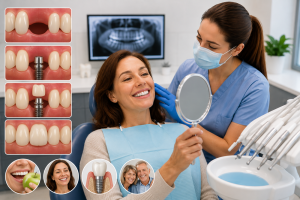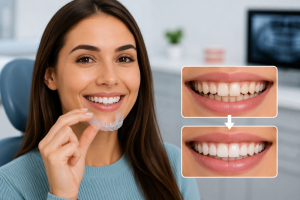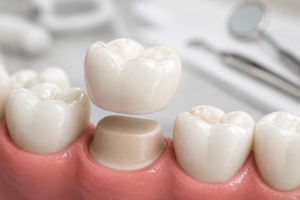


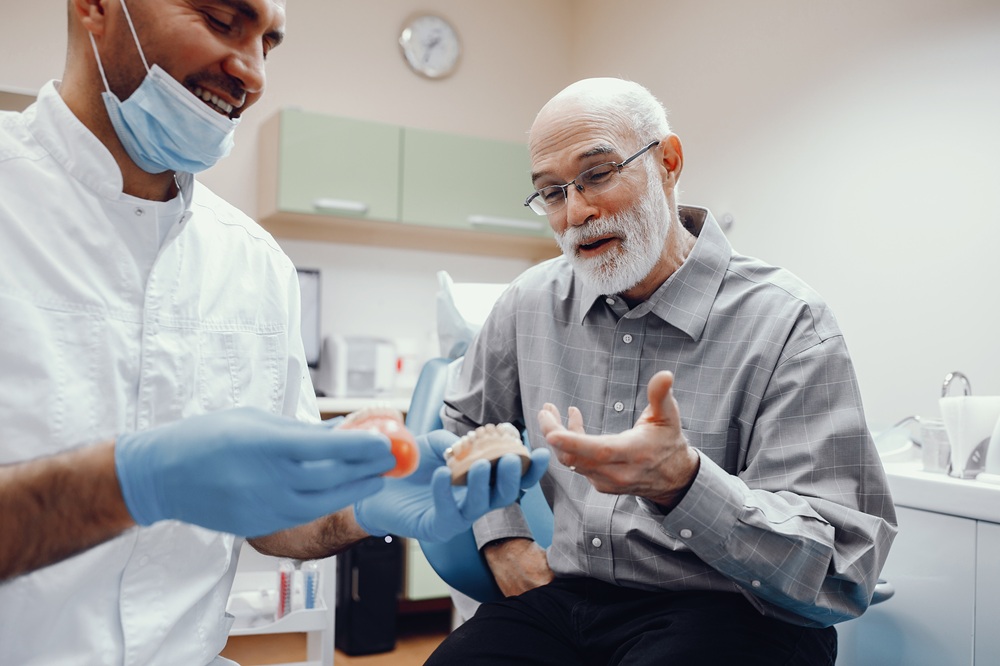
A dental crown can help fix the shape, strength, and look of a damaged front tooth. With good care, a crown can last for many years, but the exact time can be different for each person. How long a crown lasts can depend on the material, brushing habits, biting or grinding habits, and the health of the tooth under the crown. A dentist near you can check the crown and the tooth underneath for signs of wear or damage.
Knowing what can affect the life of dental crowns near you can help you take better care of your restored tooth and avoid problems when possible.
How Long Do Front Tooth Crowns Usually Last?
A crown on a front tooth can often last about 10 to 15 years. With good care, it may last longer. How long it lasts depends on the condition of the crown and the tooth underneath it.
A crown may need to be replaced sooner if it is:
- Cracked or chipped
- Loose
- Worn down
- Stained around the edges
- Damaged by an injury
- Affected by decay under or around the crown
Regular dental checkups can help your dentist find these problems early.
Why Does the Crown Material Matter?
Different crown materials have different strengths and appearances. Front teeth are highly visible, so the material is usually selected with both appearance and function in mind.
Some crowns are designed to match the colour and appearance of natural teeth closely. The choice may depend on the location of the tooth, the amount of tooth structure remaining, biting forces, and treatment goals.
A dentist in Penhold can explain the available crown materials and help determine which option may be suitable for a damaged front tooth.
What Can Shorten the Life of a Front Tooth Crown?
Some habits can put too much pressure on a crown and may cause damage. Poor brushing and flossing can also affect the tooth around the crown.
Things that may make a crown wear out sooner include:
- Biting hard objects
- Chewing ice
- Using your teeth to open packages
- Grinding or clenching your teeth
- Not brushing and flossing well.
- Having sugary foods and drinks often
- Injuries to the mouth
Avoiding these habits and taking good care of your teeth can help keep the crown in good condition for longer.
Can a Crown Get Cavities?
The crown itself cannot develop a cavity because it is made from a dental material. However, the natural tooth around or underneath the crown can still develop decay.
Good daily oral care remains important after receiving a crown. Brush twice a day with fluoride toothpaste and clean carefully around the gumline and between the teeth.
A dentist near you can also check the edges of the crown and the surrounding tooth during regular dental examinations.
How Can a Front Tooth Crown Last Longer?
Proper care can help keep a crown in good condition. Simple daily habits can make a difference.
Helpful habits include:
- Brush twice a day.
- Clean between the teeth every day.
- Avoid chewing very hard foods or objects.
- Do not use the teeth to open packages.
- Wear a mouthguard during contact sports when recommended.
- Follow dental advice if teeth grinding is a concern.
- Attend regular dental checkups.
These steps help protect both the crown and the natural tooth underneath it.
When Should a Front Tooth Crown Be Replaced?
A crown does not need to be replaced simply because it has reached a certain number of years. Replacement is usually considered when the crown or the tooth underneath develops a problem.
Possible signs that a crown needs attention include:
- Pain or new sensitivity
- A loose crown
- A visible crack or chip
- A change in how the teeth meet
- Decay around the crown
- Changes in the appearance of the crown
An examination can determine whether the dental crowns near you can remain in place or need repair or replacement.
Does Teeth Grinding Affect a Crown?
Yes. Frequent grinding or clenching can place strong pressure on a crown. Over time, this may contribute to chips, cracks, wear, or loosening.
When grinding is a concern, a dental professional may recommend a custom mouthguard for use during sleep. The need for protection depends on the individual situation.
Protect Your Front Tooth and Crown!
A crown on a front tooth can help restore a damaged tooth and may last for many years with good care. Regular dental checkups, good brushing and flossing, and avoiding habits that put extra pressure on the crown can help keep it in good condition. A clinic can check an existing crown and discuss suitable options if a damaged tooth needs to be repaired.
Book your appointment with Penhold Dental Care to have your crown checked and learn how to protect your restored front tooth.
FAQs
Can a front tooth crown change colour over time?
Some crown materials are more resistant to staining than others. Changes in the surrounding natural teeth may also make the crown appear different over time.
Can a front tooth crown fall out?
A crown can become loose or come off if the cement weakens, the tooth underneath changes, or the crown is damaged. A loose crown should be assessed rather than ignored.
Can a front tooth crown be whitened?
Whitening products generally affect natural tooth structure rather than the material used for a crown. If the surrounding natural teeth change colour, the crown may no longer match them as closely.
Is a damaged front tooth always treated with a crown?
No. Treatment depends on the amount of damage and the condition of the tooth. A filling, bonding, veneer, crown, or another option may be considered depending on the situation.